Introduction
Step on a scale, and the number tells you one thing: total weight. It won't tell you if that weight is muscle, fat, or water. Many people chase a lower number without knowing whether they're losing fat or losing muscle.
Bioelectrical impedance analysis, or BIA, offers a different approach. It's a quick, non-invasive way to estimate body composition by sending a low-level electrical current through the body and measuring how tissues respond.
BIA isn't flawless. A 2018 study comparing 3,655 paired BIA and DXA measurements found clear gaps versus DXA. Depending on BMI category, BIA underestimated fat mass by 2.51 to 5.67 kg (about 5.5–12.5 lb) and overestimated fat-free mass by 3.38 to 8.28 kg (about 7.5–18 lb).
This article covers what BIA measures, how to prepare for a scan, how accurate it is, and how to read results without treating one scan as a diagnosis.
Key Takeaways
- BIA estimates composition from impedance plus height, weight, age, and sex—not a direct fat or muscle measure.
- Results commonly include body fat, fat-free mass, total body water, and segmental composition.
- Hydration, food, exercise, temperature, and electrode contact all influence a single reading.
- Trends matter more than one number, especially when testing conditions stay consistent.
- Unexpected results deserve a conversation with a qualified professional, not a solo diagnosis.
What Is Bioelectrical Impedance Analysis?
BIA sends a very low-level electrical current through the body and measures impedance, the body's resistance to that current's flow.
Here's the logic behind it: water- and electrolyte-rich tissues, like muscle, conduct electricity easily. Fat tissue, which holds comparatively little water, resists it.
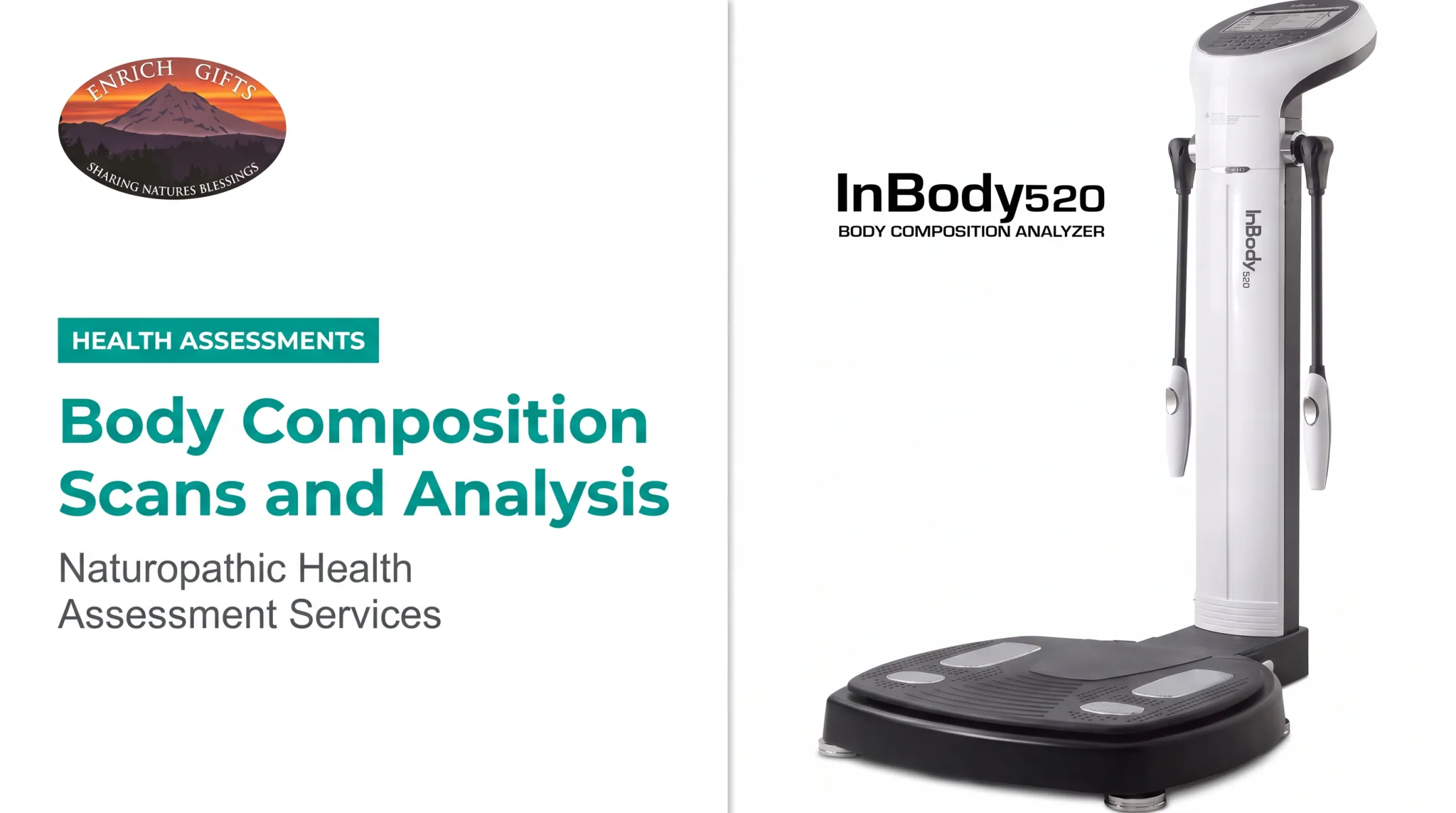
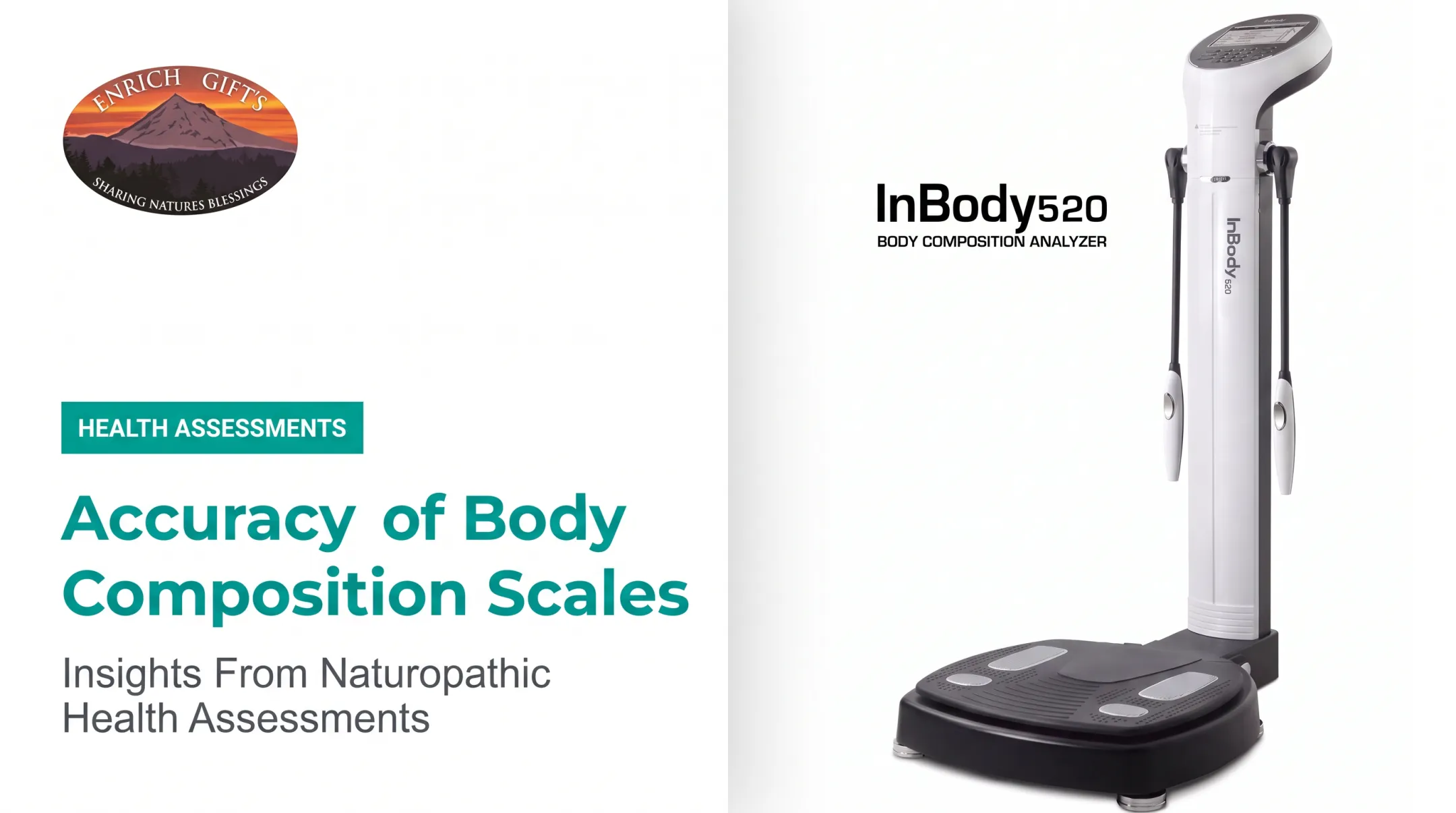
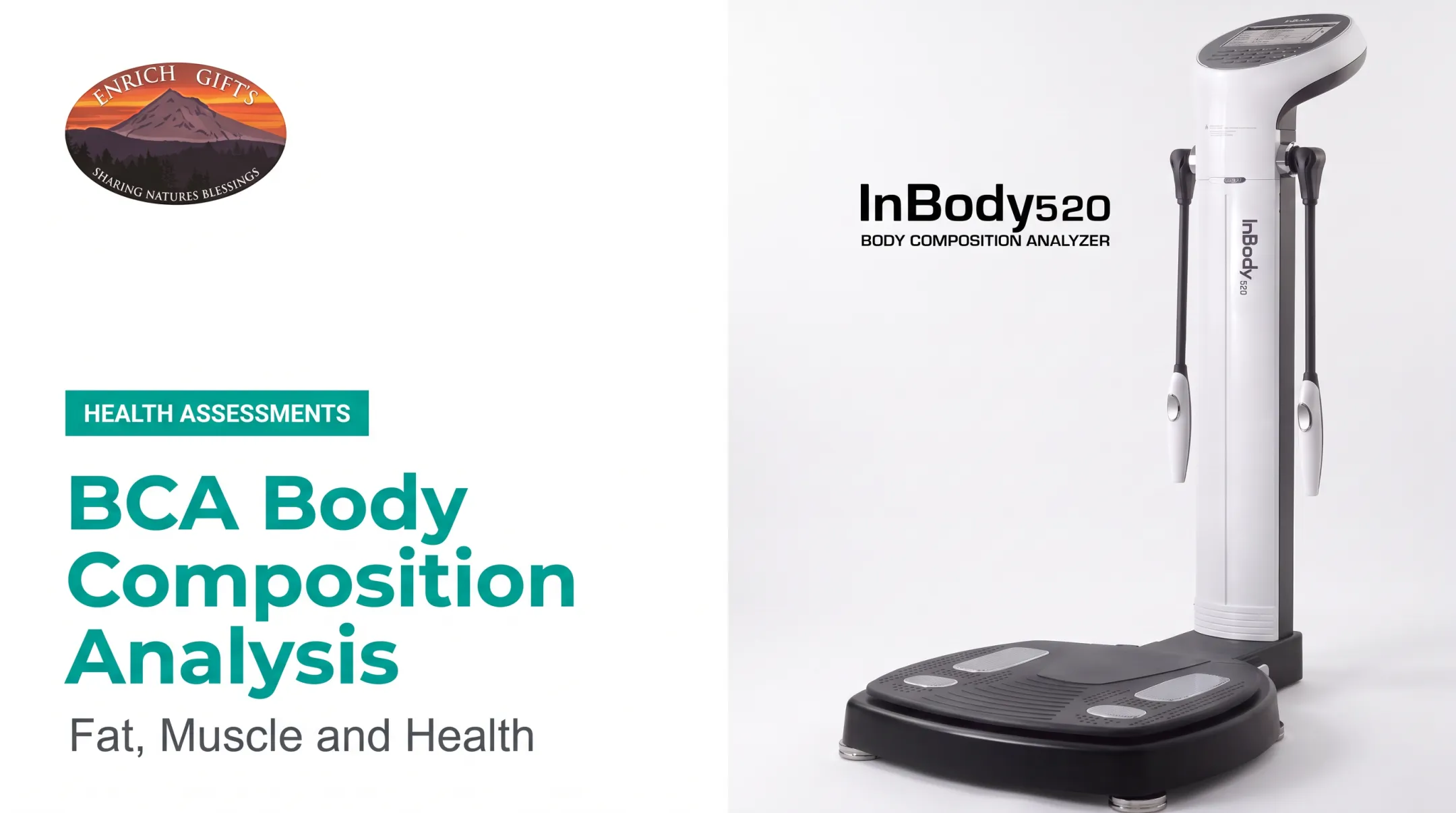
Devices such as the InBody 520 use this principle. Hand and foot electrodes send mild currents through five body segments: both legs, both arms, and the torso, with no radiation exposure.
BIA readings break down into a few parts:
- Resistance reflects how much the current is slowed by body tissue.
- Reactance (on more advanced devices) reflects the capacitance of cell membranes.
- Prediction equations combine these readings with height, weight, and sometimes age and sex to estimate body fat, fat-free mass, and water.
That last point matters. BIA output is a calculated estimate, not a direct measurement. The electrode layout, the current frequencies used, the algorithm, and the population the device was validated on all shape the final number you see.
Why BIA Is Useful for Understanding Body Composition
Two people can weigh the same amount and look completely different in terms of health. One might carry more muscle; the other, more fat. BMI can't distinguish between them, and neither can a bathroom scale.
Waist circumference tells part of the story. For men, 37 to 40 inches is generally classified as overweight, with anything above 40 inches considered obese. For women, the range is 31.5 to 34.6 inches for overweight, and above 34.6 inches for obese.
Circumference alone still misses lean mass and water balance, which is where BIA adds value.
What a BIA Report Typically Shows
Depending on the device, a scan can report:
- Body fat percentage and fat mass
- Fat-free or lean body mass, including skeletal muscle mass
- Total body water, sometimes broken into intracellular and extracellular water
- Segmental muscle distribution across each arm, leg, and the trunk
- Visceral fat level, basal metabolic rate, and water balance ratios (ECW/TBW)
Repeat scans can help track broad trends during a nutrition or training program. But a single number shouldn't drive decisions on its own. Pair it with how you feel, your performance, and your goals.
The Practical Upside
Compared with imaging-based body composition methods, BIA is noninvasive, fast, and portable. Peer-reviewed reviews note it requires no specialized radiology equipment, unlike DEXA scans. The InBody 520, for example, completes a full scan in under 45 seconds.
Where BIA Falls Short
Prediction equations work best for people who resemble the population the device was validated on, under normal hydration. Dehydration, illness, pregnancy, aging, and very high or low body fat levels can all throw off the underlying assumptions.
A 2018 clinical comparison found that even when group averages looked close, individual results varied widely, sometimes by several pounds in either direction.

How BIA Works
The exact process varies between home scales, handheld devices, and professional multi-electrode analyzers like the InBody 520. Here's the general walkthrough.
Step 1: Define the Measurement Goal
Before testing, decide what you actually need. Are you establishing a baseline, tracking a fitness plan, or supporting a broader wellness assessment? Your goal determines which outputs matter: visceral fat and skeletal muscle mass for a training plan, or total body water for a hydration concern.
Step 2: Prepare for the Scan
Most providers recommend:
- Testing at a similar time of day, ideally morning
- Maintaining normal, consistent hydration (not deliberately over- or under-hydrating)
- Avoiding strenuous exercise and large meals right before testing
- Limiting alcohol and excess caffeine the day prior
- Following the specific device's instructions, since protocols differ
Skin temperature, lotions, sweat, recent caffeine, menstrual-cycle fluid shifts, and bladder or bowel status can all nudge a reading slightly.
One 2018 study of 43 college-aged women found no significant difference in body composition readings across menstrual cycle phases, so this factor may matter less than often assumed for some devices.
Step 3: Position the Body and Collect the Reading
Electrode configurations vary: hand-to-hand, leg-to-leg, hand-to-foot, or full-body segmental systems like the InBody 520's eight-point tactile electrodes. The configuration determines which areas get measured directly versus estimated. The device records resistance and, on advanced systems, reactance. Neither value is a standalone diagnosis.
Step 4: Apply the Device's Calculation
Software combines your impedance reading with height, weight, age, and sex to estimate total body water, fat-free mass, and fat mass.
Common mistake: comparing results between different devices or algorithms as if they're interchangeable. A home scale and a clinical analyzer can produce genuinely different numbers for the same person on the same day.
Step 5: Interpret the Report
Look at the full pattern, not one isolated number. Ask whether this reading lines up with previous tests taken under similar conditions. Short-term swings from hydration, glycogen stores, recent meals, or temperature are normal and don't necessarily mean your body composition changed.
Step 6: Act, Repeat, and Review
Record the device used, the protocol followed, the date, and relevant conditions (sleep, hydration, recent workouts) so future comparisons are fair.
Example: Someone gets a higher body-fat estimate after an intense workout and limited fluid intake. They retest under standardized conditions a few days later and see the number shift back. Rather than overhaul their nutrition plan from one scan, they track the trend alongside waist measurements and how their clothes fit.

Safety note: If you have a pacemaker, another implanted electronic device, are pregnant, or have a significant fluid imbalance, check with a healthcare professional or the device manufacturer before testing. Some manufacturers specifically exclude pacemaker users from certain models.
How Enrich Gifts Can Help
A BIA scan is a tool. What you do with the data is where the real value shows up.
At Enrich Gifts, naturopath Dr. Carolyn Johansen (doctorate in naturopathy, 2012) offers InBody 520 body composition analysis as part of a broader functional health assessment. The scan reports lean body mass, water mass, fat mass, and segmental muscle distribution—inputs for a fuller read of your health picture, not a final score.
Dr. Johansen takes a root-cause, whole-body approach, often pairing InBody results with:
- Thermography
- OligoScan mineral assessments
- Cardiovascular and stress screening
This combination helps place a single scan into the context of your actual symptoms, goals, and lifestyle, rather than treating a body-fat percentage as a verdict.
Home visits serve the Arlington, Texas area; Zoom appointments are available if you prefer virtual care. A complimentary phone call can confirm whether this approach fits before you book a full appointment.

If you want InBody results read in context—not as a standalone number—contact Enrich Gifts to talk through next steps.
Conclusion
Bioelectrical impedance analysis gives you a convenient window into body composition, but the number on the screen is only as good as the device, the equation behind it, and the conditions under which you tested.
Chasing one perfect reading misses the point. Consistent, repeated testing under similar conditions with the same device tells you far more than a single snapshot ever could.
When a result looks off or doesn't match how you feel, bring it to a professional rather than second-guessing it alone.
Frequently Asked Questions
How much does a bioelectrical impedance analysis (BIA) test cost?
Pricing varies widely by provider and whether it's bundled into a consultation. University fitness centers commonly charge $10 to $25 per scan, while clinical settings may price it differently depending on what's included.
What is body composition and how is it measured?
Body composition is the mix of fat, lean tissue, bone, and water in your body. BIA estimates it through electrical impedance; DEXA uses low-dose X-rays; skinfolds, air displacement, and hydrostatic weighing use physical measurements.
How accurate is bioelectrical impedance analysis for body fat?
Accuracy depends on the device, the person, and testing conditions. Research on 15 BIA devices found strong short-term repeatability, though about half struggled to detect real changes over 12–16 weeks. Use BIA for trend tracking, not single exact readings.
What factors can throw off a BIA scan?
Hydration status, recent food or exercise, alcohol, temperature, skin contact, electrode placement, and switching devices can all shift results. Testing under inconsistent conditions makes it harder to trust any single reading.
Which is better, DEXA or bioelectrical impedance analysis (BIA)?
It depends on your goals. DEXA provides higher-detail reference measurements but needs specialized equipment and costs more. BIA is faster, more accessible, and easier to repeat, so it suits ongoing trend tracking.
Are bioelectrical impedance (BIA) scales accurate and worth using?
Home BIA scales can be useful for spotting long-term patterns when used consistently at the same time of day under the same conditions. They shouldn't be treated as precise medical measurements for any single reading.