Body composition scans fill that gap. They estimate how much of your body is fat, lean tissue, and water, giving you a clearer picture than weight or BMI alone. This article walks through how these scans work, what the results mean, their real limitations, and how to turn a report into an actual plan.
Key Takeaways
- Body composition analysis estimates fat, lean mass, and water, with more detail than weight or BMI alone
- InBody-style tests use bioelectrical impedance analysis (BIA): quick, noninvasive, and sensitive to conditions
- Trends over multiple scans matter more than any single reading
- Results can guide nutrition and training decisions but should not replace a diagnosis
- Hydration, meals, and exercise timing all shift BIA numbers, so keep testing conditions consistent
What Is Body Composition Scanning and Analysis?
Body composition analysis looks at what your body weight is actually made of. Instead of one combined figure, it breaks mass down into fat mass, fat-free (lean) mass, body water, and sometimes how that breakdown differs across your arms, legs, and trunk.
Here's the distinction that trips people up:
- Body weight reports total mass on a scale, and nothing more
- BMI divides weight by height, with no information about what that weight is made of
- Body composition analysis estimates the proportions behind the number, so two people with identical BMI can have very different fat and muscle levels
Common Testing Methods
| Method | How it works |
|---|---|
| BIA / InBody | A mild electrical current measures resistance through tissue to estimate fat, lean mass, and water |
| DEXA/DXA | Low-energy X-rays estimate fat, lean tissue, and bone mineral |
| Skinfold calipers | Measures subcutaneous fat thickness at specific sites |
| Hydrostatic weighing | Underwater weighing calculates body density |
| Air displacement (Bod Pod) | Uses air displacement to estimate body density |
Each method has different costs, equipment needs, and trade-offs. BIA devices are widely accessible and fast; DEXA requires specialized equipment and is often treated as a research-grade reference method.
How an InBody-Style Scan Actually Works
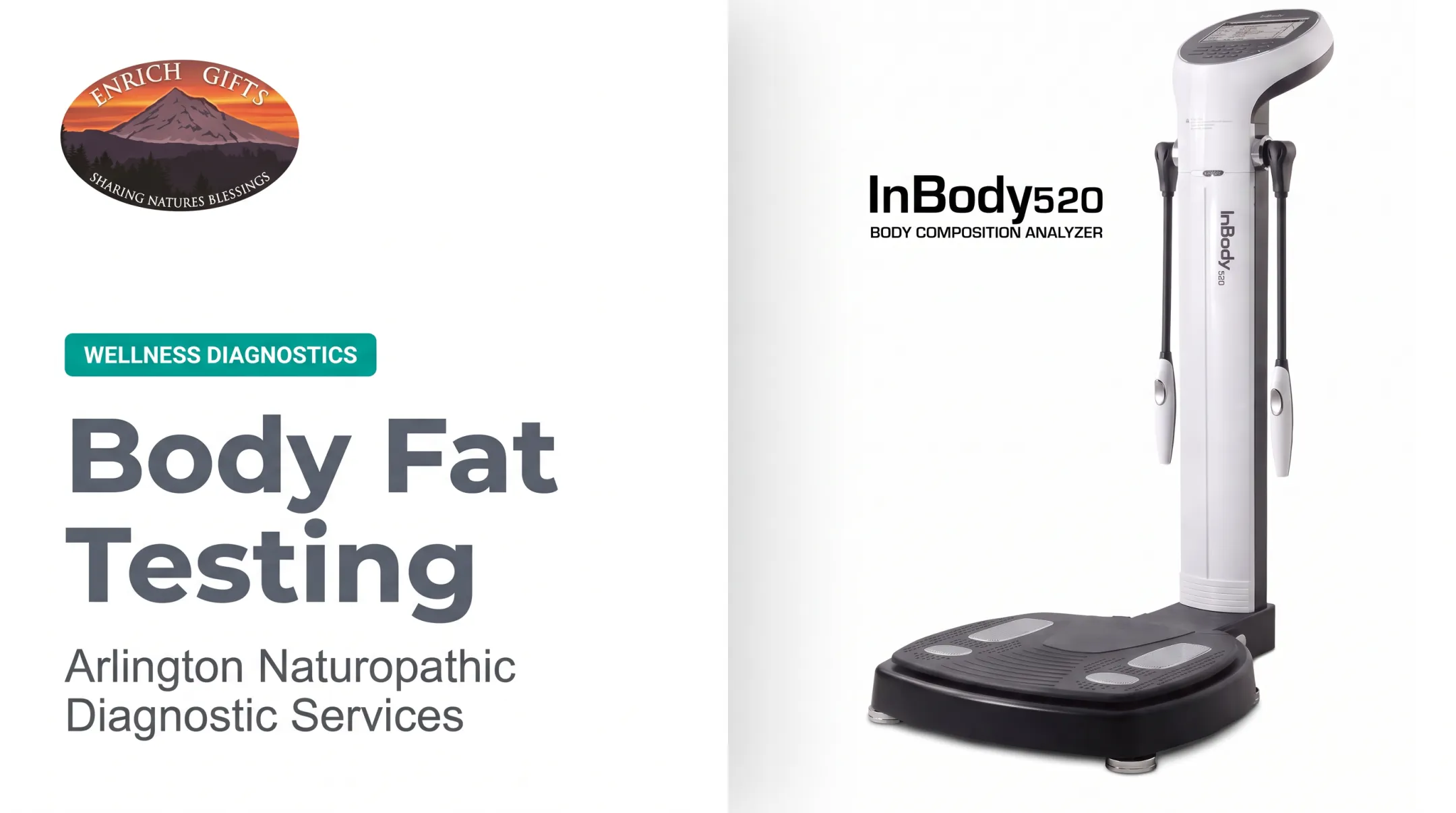
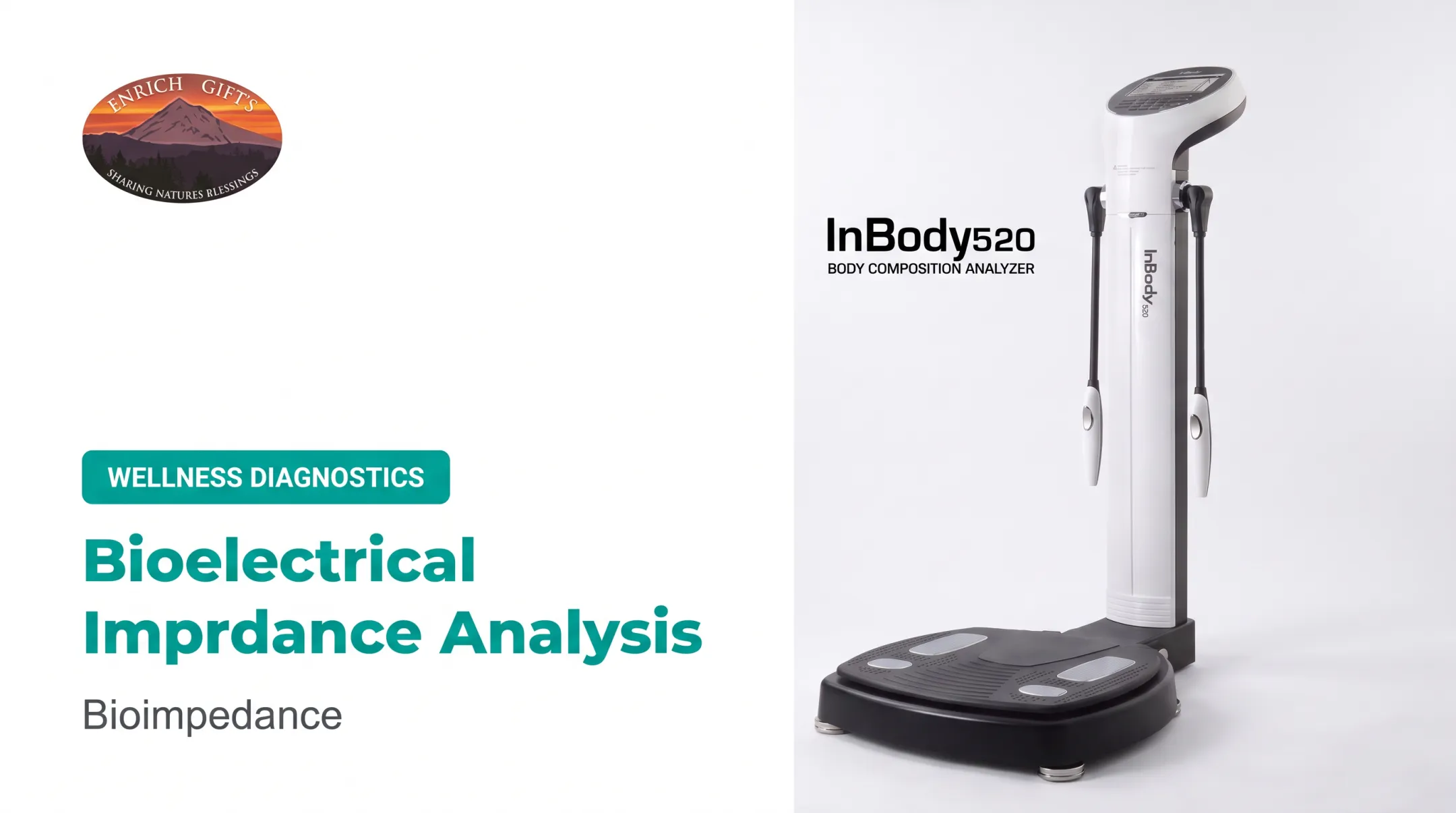
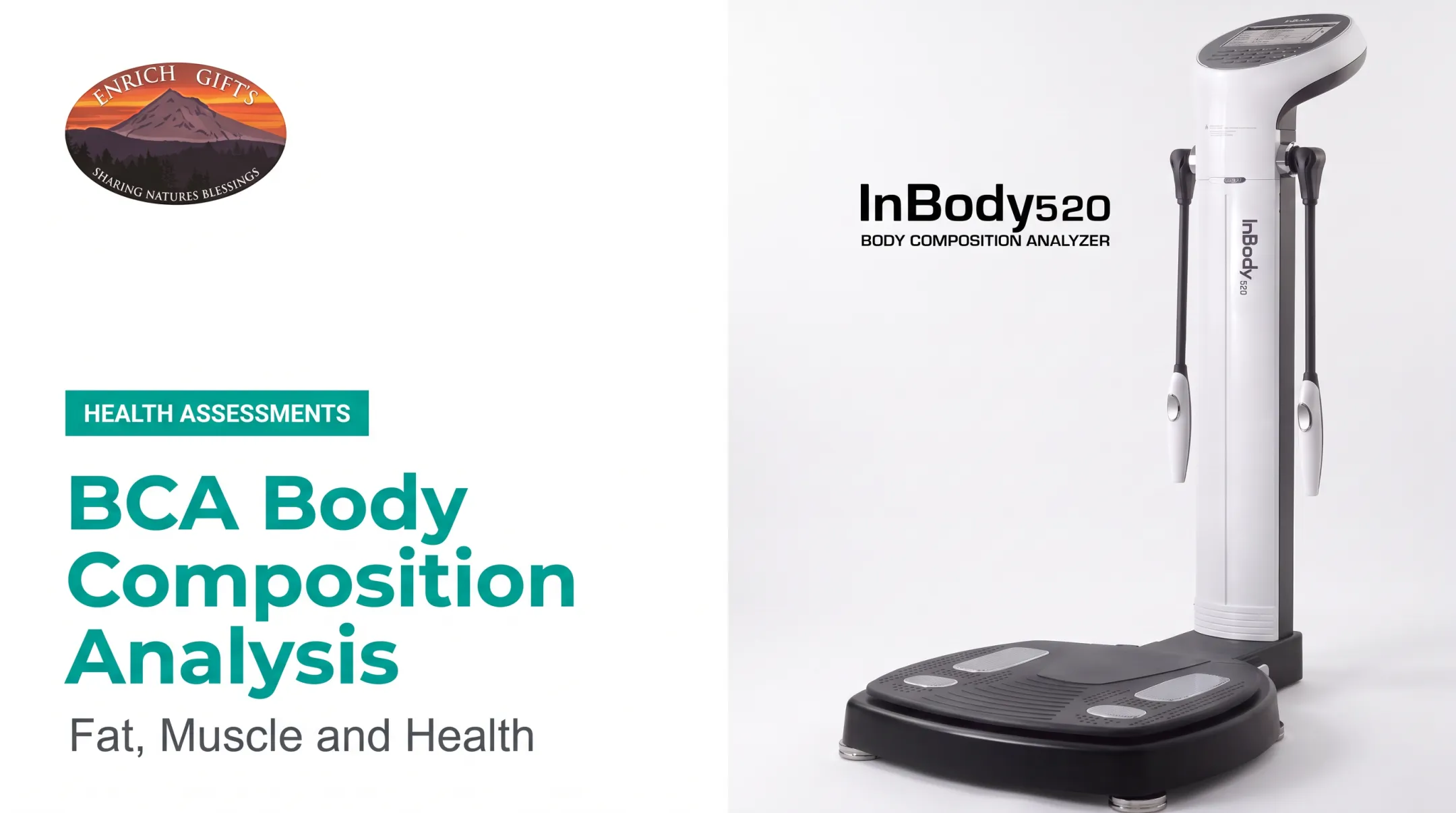
A BIA device like the InBody 520 passes a very low-level electrical signal through the body via hand and foot electrodes. It's painless and over in under 45 seconds.
The device measures impedance—how much resistance tissue puts up against that signal—then combines it with your height, age, sex, and weight to estimate fat, muscle, and water compartments across the body, as described in comparisons of body composition methods.
These are still estimates, not direct images of your tissue. Hydration, recent meals, exercise, and even the specific device all influence the output.
Why Body Composition Analysis Matters
Weight-based tracking can mislead you. Someone building muscle while losing fat might see the scale barely budge and conclude their plan isn't working when it actually is. Composition analysis separates those two changes so progress doesn't hide behind a stagnant number.
Metrics You'll Likely See on a Report
- Body fat percentage and fat mass – total fat relative to body weight
- Skeletal muscle mass – an estimate of muscle attached to bone, tracked for preservation or growth
- Visceral fat level – an estimated indicator related to fat around abdominal organs, not a disease diagnosis
- Total body water – intracellular and extracellular water combined; hydration swings move this number quickly
- Basal metabolic rate – an estimated calorie need at rest, not a prescription for your diet
Many devices, including the InBody 520, also break results down by segment, showing lean mass separately for each arm, leg, and trunk. This can flag muscular imbalances worth discussing with a qualified professional, though asymmetry on its own isn't cause for alarm.
Context Beyond the Scan
A composition trend is one data point among many. The American Heart Association's Life's Essential 8 framework tracks weight alongside blood pressure, blood sugar, cholesterol, and physical activity, not weight or composition in isolation.

Strength, mobility, and how you actually feel day to day matter just as much as any number on a printout.
How a Body Composition Scan Works: Step by Step
Exact procedures vary by device and provider, but most BIA-based assessments—including InBody-style scans used in wellness settings—follow a similar arc.
Define the goal. Are you setting a baseline, tracking fat loss, monitoring muscle gain, or checking recomposition? Your goal decides which report numbers matter first.
Prepare consistently. Most providers recommend the same basics:
- Avoid food for a few hours beforehand
- Skip recent intense exercise
- Use the restroom first
- Stay hydrated the day before, not right before testing
Alcohol, illness, and unusual routines can skew results. If you're pregnant or have a pacemaker, defibrillator, or other implanted electrical device, check with a qualified healthcare professional before testing—BIA’s low-level current may not be appropriate.
Complete the measurement. You'll typically stand barefoot on foot electrodes while holding hand electrodes. The device sends a low-level current through the body to measure impedance. The process is quick and noninvasive; timing differs by device.
Review the report. A typical printout may include:
- Body composition breakdown
- Muscle-fat relationship
- Segmental lean analysis
- Body fat and visceral fat measures
- Water indicators
Ask your provider to translate unfamiliar terms. Don’t judge “healthy” or not from a single line item.
Interpret results in context. Age, sex, height, training history, hydration, and goals all shape what a useful number looks like. The same reading can mean different things depending on your starting point.
Turn findings into a plan, then recheck. Results may raise questions about resistance training, protein intake, recovery, or sleep. Track trends under similar conditions over time, and bring unexpected or concerning shifts to a qualified healthcare professional.

Timing note: Fluid intake can shift extracellular water, muscle mass estimates, and fat mass even within the same session. Consistent conditions matter more than any single reading—compare like-to-like tests.
A Practical Body Composition Scan Example
Picture someone whose weight hasn't moved more than a pound or two in two months. Frustrating, on the surface. But a follow-up scan shows their estimated fat mass down and skeletal muscle mass up compared to their baseline.
Before celebrating or worrying, check the basics first: Was this scan done under similar conditions to the last one? Same time of day, similar hydration, no recent intense workout? Those details change the number more than people expect.
Once testing consistency is confirmed, the conversation shifts to the bigger picture:
- Has training intensity or frequency changed recently?
- Has protein intake or overall nutrition shifted?
- How's sleep and recovery been?
From there, the next move is often simple: keep doing what's working, tweak one variable like protein intake or training volume, or pursue additional assessment if something doesn't add up. Use the scan to decide what to keep, change, or investigate next.
How Enrich Gifts Can Help
At Enrich Gifts, InBody analysis is one piece of a broader functional health assessment approach, alongside thermography, OligoScan, and cardiovascular and stress screening.
The InBody 520 uses eight-point tactile electrodes across five body regions. It reports lean body mass, water mass, hydration patterns, fat mass, and segmental muscle distribution—detail a standard scale cannot provide.

Dr. Carolyn Johansen, N.D., reviews these results through a root-cause, whole-body lens rather than treating any single number as a verdict. She looks at diet patterns, lifestyle stressors, and where the body may be under strain, then builds guidance around what's actually driving the numbers.
This naturopathic approach complements—but does not replace—care from a licensed medical professional for emergencies or medically necessary treatment.
Working one-on-one with Dr. Carolyn can help you:
- Understand what your composition metrics mean without fixating on a single score
- Connect scan trends to nutrition, training, recovery, and daily habits
- Choose a pace that fits your lifestyle, whether that's an all-at-once overhaul or gradual change
- Recognize when a result warrants a conversation with a licensed medical provider or additional testing
If you're curious what your own composition breakdown might reveal, you can schedule an InBody analysis with Dr. Carolyn Johansen in Arlington, Texas.
Conclusion
A body composition scan tells you more than a bathroom scale ever will, estimating fat, lean mass, water, and how it's distributed across your body. None of that is useful as a one-off snapshot, though.
The real value shows up in consistent testing, trend-based interpretation, and viewing results alongside other health markers like strength, mobility, and lab work.
Treat your next scan as a starting point for better questions, not a judgment on your body.
Frequently Asked Questions
How much does an InBody scan cost?
Pricing varies widely by provider, location, device, and whether a consultation is included. Some campus or gym-based scans run as low as $12-$30, while clinical assessments bundled with professional guidance cost more.
What is an InBody body composition test and how is it performed?
It's a bioelectrical impedance analysis test that sends a mild electrical current through the body using hand and foot electrodes to estimate fat, muscle, and water. Exact steps and timing vary by device model.
How accurate is an InBody test compared to a DEXA scan?
DEXA and BIA use different technologies, and DEXA is often treated as the research benchmark. A 2018 study of 3,655 paired measurements found poor agreement at the individual level, so treat BIA results as estimates, not exact figures.
What is a good InBody score?
There's no universal "good" number. Interpretation depends on the specific metric, the device's reference range, your age, sex, and personal goals. Focus on your own trend over time rather than comparing to a generic benchmark.
Is a visceral fat level of 3.5 good?
Visceral fat scales differ by manufacturer, so a number's meaning depends entirely on the device that produced it. Review your full report with a qualified professional rather than judging one figure in isolation.
Is 30% body fat considered overweight?
Body fat interpretation varies by sex, age, and measurement method, and healthy ranges shift across the lifespan. A single scan estimate describes one metric; it doesn't define your health or worth.