The terms “naturopathic doctor,” “naturopath,” and “wellness consultant” are often used interchangeably, but they can represent very different levels of training and legal authority. Before starting any new health regimen, it’s essential to verify a practitioner's credentials, not just their title. This article will guide you through the principles of naturopathic medicine, the specifics of licensing in Texas, and how to safely find a qualified practitioner who fits your needs.
Key Takeaways
- Naturopathic medicine focuses on prevention, lifestyle changes, and identifying factors that may contribute to your health concerns.
- Always confirm a practitioner’s specific education, credentials, and legal scope of practice in Texas before receiving care.
- Supplements, herbs, and special diets carry real risks and can interact with medications; full disclosure to your entire healthcare team is critical.
- Wellness consultations should complement—not replace—your primary, specialist, or emergency medical care.
What Is Naturopathic Medicine?
Naturopathic medicine is a distinct approach to health that emphasizes prevention, patient education, and whole-person care. Rather than focusing only on symptoms, practitioners aim to understand the full context of a person’s health, including their lifestyle, diet, stress levels, and environment.
This philosophy is often guided by a few core principles:
- First, Do No Harm: Using the least invasive and least toxic therapies appropriate for the individual.
- The Healing Power of Nature: Trusting the body's inherent ability to heal itself when given the right support.
- Identify and Treat the Causes: Looking beyond symptoms to address underlying factors contributing to health issues.
- Doctor as Teacher: Empowering patients through education to take an active role in their own health.
- Treat the Whole Person: Viewing the body as an integrated system of physical, mental, and emotional health.
- Prevention: Focusing on proactive strategies to maintain health and prevent disease.
Naturopathic Doctor vs. Traditional Naturopath
A naturopathic doctor (ND) licensed in a state that regulates the profession has typically graduated from an accredited, four-year, graduate-level naturopathic medical school. That education covers standard medical sciences plus clinical training in naturopathic therapies.
A traditional naturopath or wellness practitioner may have trained through other programs that differ in length and content and are not accredited by the Council on Naturopathic Medical Education (CNME).
That training difference matters: it shapes the practitioner’s legal scope of practice, which varies significantly from state to state—including in Texas.
How It Compares to Conventional Medicine
Conventional medicine excels at acute illness, trauma, and established disease, often through targeted tools like pharmaceuticals and surgery. Naturopathic care more often centers on chronic concerns, prevention, and lifestyle optimization.
Many people use both: naturopathic guidance for digestion, stress, nutrition, or general well-being, and their medical doctor for diagnoses and prescriptions.
"Root cause" is a guiding philosophy, not a promise that every underlying factor can be found or resolved. Serious or persistent health concerns always warrant a full evaluation from a licensed medical professional.

What Texas Residents Should Know About Licensing and Education
Licensing is the factor that matters most if you are seeking naturopathic care in Texas. The state's legal framework shapes what practitioners can offer—and what they cannot.
As of now, Texas does not issue a specific professional license for naturopathic doctors. The Texas Medical Board (TMB), which licenses and regulates medical doctors (MDs) and doctors of osteopathic medicine (DOs), does not have a category for NDs. A 2025 bill to license NDs was introduced but not enacted.
What This Means for Practitioners and Patients
Because there is no state-recognized ND license, the legal boundaries are defined by other existing laws. The Texas Occupations Code defines "practicing medicine" as diagnosing or treating any human disease, injury, or physical condition, and charging for that service. Doing so without a TMB license is illegal.
Key takeaways for Texas residents:
- An ND degree alone does not allow diagnosing conditions, treating disease, or prescribing medication in Texas—unless the person also holds a separate qualifying Texas license (such as MD, DO, DC, or NP)
- Anyone using the title "doctor" must state the degree behind it (such as PhD, ND, or DC); the title alone is not a Texas medical license
- Services are generally limited to wellness, nutrition, lifestyle coaching, and education—not medical diagnosis or treatment
Are There Accredited Naturopathic Schools in Texas?
Currently, there are no naturopathic medical schools in Texas accredited by the Council on Naturopathic Medical Education (CNME), the federally recognized accrediting body. Students pursuing a career as a licensed ND must attend a program in another state or in Canada.
Completing an accredited, four-year ND program and passing the Naturopathic Physicians Licensing Examinations (NPLEX) is the standard pathway in states that do license the profession. However, holding a degree from one of these schools or a license from another state does not grant the right to practice as a licensed naturopathic doctor in Texas.

Disclaimer: Regulations can change. Always confirm a practitioner’s credentials and the current Texas laws with official sources like the Texas Medical Board and other relevant state agencies.
How to Evaluate a Naturopathic Practitioner in Texas
Since the state doesn't provide a licensing board for NDs, the responsibility falls on you to thoroughly vet any practitioner you consider. A credible wellness professional should be transparent and supportive of your due diligence.
Your Credential Checklist
Before booking an appointment, ask for clear answers on the following:
- Formal Education: Where did they get their degree? What specific degree do they hold (ND, PhD, etc.)?
- Accreditation: Was their naturopathic program accredited by the CNME?
- Texas Licenses: Do they hold any other active professional licenses in Texas (e.g., as a dietitian, chiropractor, or nurse)? You can verify many of these through state licensing board websites.
- Scope of Practice: Ask them to clearly explain what services they can and cannot legally provide in Texas.
- Clinical Experience: How long have they been in practice? Do they have experience with your specific health goals?
Key Questions to Ask About Their Practice
A trustworthy practitioner will have clear protocols for patient safety.
- How do you handle symptoms that might indicate a serious medical condition?
- When do you refer patients to a medical doctor or specialist?
- How do you coordinate care with a client's existing medical team?
- What is your policy on emergencies?
You should also be prepared to disclose your full health history, including all medications, supplements, allergies, and existing diagnoses. This is crucial for avoiding harmful interactions.
Evaluating Proposed Tests and Treatments
Once your history is on the table, turn the same scrutiny toward any tests the practitioner proposes. Many wellness practitioners use functional tests to gather more information. These can include thermography, mineral scans, or body-composition analysis. While potentially useful for guiding a wellness plan, they are not substitutes for medical diagnostic tests. For example, the FDA warns that thermography is not an effective standalone tool for breast cancer screening and should not replace mammograms.
Before agreeing to any test, ask:
- What is the specific purpose of this test?
- What is the scientific evidence supporting its use for that purpose?
- What are its limitations?
- How much does it cost?
- What are the potential side effects or risks?
Warning signs include promises of a guaranteed cure, pressure to stop prescribed medical treatments, claims that a single product treats dozens of unrelated diseases, or a refusal to share credentials.
What a Naturopathic Consultation May Involve
A first appointment with a naturopathic or wellness practitioner is typically an in-depth conversation. Expect to spend an hour or more discussing your complete health history, symptoms, diet, stress levels, sleep patterns, and personal health goals. The practitioner’s objective is to build a comprehensive picture of your well-being.
Based on this conversation, they will work with you to develop a personalized wellness plan. The plan focuses on coaching and practical changes you can sustain. It might include:
- Specific dietary recommendations and meal planning.
- Guidance on lifestyle changes, such as exercise or sleep hygiene.
- Stress management techniques like breathing exercises or mindfulness.
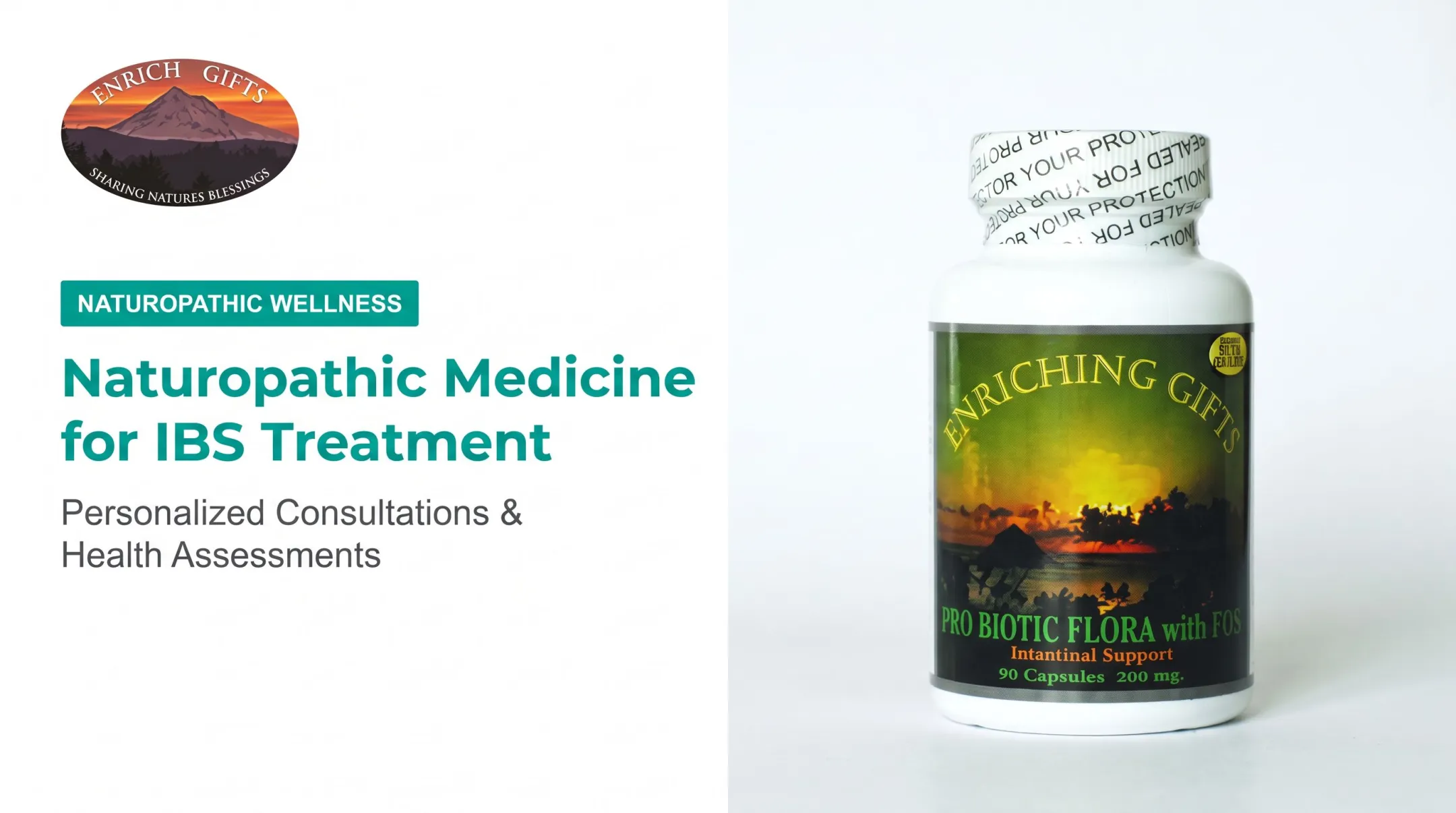
- Recommendations for targeted nutritional supplements or botanical products.
A Local Example: Enrich Gifts
In Arlington, Texas, Dr. Carolyn Johansen at Enrich Gifts offers personalized naturopathic guidance. A consultation may take place via a home visit or a virtual Zoom appointment. Dr. Johansen uses a root-cause philosophy to help clients build personalized wellness strategies.
As part of her process, she may use functional assessments to gather more information. These tools help shape the wellness plan:
- Whole Body Thermography: A non-invasive imaging process that measures heat patterns.
- OligoScan: A device that uses spectrophotometry to estimate mineral levels and heavy metal presence.
- Cardiovascular and Stress Screening: Uses heart rate variability to assess autonomic nervous system function.
- InBody Analysis: A tool that measures body composition, including muscle mass, body fat, and water levels.
Before booking, confirm each service’s purpose, limitations, and cost with the provider.

How to Prepare for Your Consultation
To make the most of your first visit, gather the following:
- A list of all your current medications and supplements (including dosages).
- Copies of any recent lab results or medical records.
- A timeline of your symptoms and health concerns.
- A list of questions you want to ask.
- Clear goals for what you hope to achieve.
Remember, a responsible wellness practitioner will always recommend you seek urgent or emergency medical care for issues like chest pain, difficulty breathing, neurological changes, or serious injury.
Potential Benefits, Limitations, and Safety Considerations
Working with a naturopathic practitioner can offer real benefits when care is used thoughtfully. Patients often value:
- Extended appointment times
- Practical health education
- Preventive plans tailored to daily habits
That focus can feel empowering and support lasting lifestyle changes.
The limitations and risks matter just as much.
Supplement and Diet Risks
Supplements are not risk-free. The NCCIH reports that dietary supplements are associated with an estimated 23,000 emergency room visits in the U.S. each year.
- Interactions: Many herbs and vitamins can interact with prescription medications. For example, zinc can reduce absorption of certain antibiotics.
- Quality control: The FDA does not approve supplements for safety or effectiveness before sale. Quality varies, and some products have been contaminated.
- Delayed care: Relying on supplements for a serious condition is dangerous if it postpones needed medical treatment.
Restrictive diets and "detox" programs carry risks too, including nutritional deficiencies and electrolyte imbalances. People with diabetes, kidney disease, or a history of eating disorders face higher risk.

Know When to Seek Medical Care
Naturopathic consultations should not replace medically necessary care. That includes:
- Emergency services
- Cancer treatment and surgery
- Management of diagnosed chronic diseases such as high blood pressure
- Vaccination guidance
The safest path is shared decision-making: your naturopathic practitioner, your medical doctor, and you working as a team.
Frequently Asked Questions
Are naturopathic doctors licensed in Texas?
No. Texas does not currently offer a specific state license for naturopathic doctors (NDs). Practitioners may hold other types of licenses or degrees, so you should always verify their specific credentials and legal scope of practice in Texas.
Are there any naturopathic schools in Texas?
No, there are no naturopathic medical schools in Texas that are accredited by the Council on Naturopathic Medical Education (CNME). Approved programs are located in other states and Canada.
What is the difference between a holistic doctor and a naturopathic doctor?
“Holistic doctor” is a broad, descriptive term for any practitioner who uses a whole-person approach. A “naturopathic doctor” may refer to someone with a specific degree (ND), but their legal authority and training can vary widely, especially in an unlicensed state like Texas.
Is a licensed naturopathic doctor a real doctor?
In regulated states, a licensed ND completes an accredited graduate program and board exams, with a defined scope of practice. That title and scope do not transfer to Texas, where NDs are not licensed medical providers.
What should I ask a naturopathic practitioner before an appointment?
Ask about their specific education, any Texas licenses they hold, their experience with your health goals, and how they handle referrals. Ask how they handle supplement safety, fees, and communication with your existing medical team.
Can naturopathic medicine replace conventional medical care?
No. Naturopathic approaches should be seen as a complement to, not a replacement for, conventional medical care. They should never replace emergency services, prescribed medications for serious conditions, or other medically necessary treatments.