Many people dealing with racing thoughts, muscle tension, digestive changes, sleep disruption, a pounding heart, or unexplained dread want one clean answer: what's causing this? This article can't diagnose you. What it can do is walk you through a practical process — tracking your patterns, reviewing emotional and physical factors, and knowing when to bring in medical, mental-health, or complementary professional support.
Key Takeaways
- Anxiety can stem from triggers, chronic stress, learned patterns, lifestyle habits, substances, or medical conditions.
- Spot root contributors by tracking when symptoms hit, what came first, and how you responded.
- Physical symptoms aren't automatically "just anxiety": get medical causes ruled out first.
- Calming tools ease symptoms short-term; lasting relief means addressing what keeps anxiety going.
- Seek urgent help for severe symptoms or thoughts of self-harm; call or text 988 in the U.S.
Common Causes and Contributors to Anxiety
Anxiety is your body's alarm system firing in response to a perceived threat: a faster heartbeat, tense muscles, a surge of alertness. That's normal, even useful, before a job interview or a tight deadline. The National Institute of Mental Health draws the line at anxiety that persists, shows up across many situations, worsens over time, or interferes with daily functioning.
A trigger is the spark: a stressful email, a crowded room. A contributor is what loaded the gun beforehand: chronic stress, poor sleep, an underlying medical condition, or a pattern learned years ago. Anxiety typically develops through overlapping psychological, biological, environmental, behavioral, and social factors, not one isolated cause.
Immediate Stressors and Unresolved Emotional Experiences
Current pressures can activate anxiety on their own, and past experiences can shape how strongly you react:
- Work strain or looming deadlines
- Relationship conflict or uncertainty
- Financial pressure
- Grief, loss, or major life transitions
- Reminders of past trauma
Even ordinary events carry weight. The U.S. holiday season, running from Thanksgiving through New Year's Day, piles on extra tasks (decorating, baking, wrapping, hosting) right as store displays can trigger grief over someone you've lost. A sharp comment from a coworker can tap into older fears about being judged or not being good enough.
Body and Medical Contributors
Physical conditions frequently masquerade as anxiety. Mayo Clinic links heart disease, diabetes, an overactive thyroid, respiratory disorders, chronic pain, and irritable bowel syndrome to anxiety-like symptoms. A racing heart from hyperthyroidism can feel identical to a panic attack.
Nutrition matters too. One study found a strong link between low vitamin B6 and iron levels and panic or hyperventilation attacks. None of this means you should self-diagnose, though. New, sudden, or intense symptoms, especially chest pain, fainting, severe trouble breathing, or neurological changes, need medical attention, not a wellness article.
Daily Habits, Substances, and Medications
Everyday choices can trigger or intensify anxiety for some people:
- Irregular or insufficient sleep
- Excess caffeine or nicotine
- Alcohol or recreational substance use, including withdrawal
- Certain prescription or over-the-counter medications
- A diet heavy in processed foods
Diet matters more than most people assume. A 10-year study of 925 women found a Western-style diet was linked to a 50% higher likelihood of depression or anxiety, while a traditional diet rich in whole foods was linked to a 30% lower likelihood, even after adjusting for age, weight, and lifestyle factors.

Some people also report anxiety symptoms after consuming MSG. Record any recent changes in sleep, diet, stimulant use, or medications, and review medication concerns with your prescriber rather than stopping anything on your own.
Family History, Nervous-System Sensitivity, and Learned Patterns
Genetics and temperament shape how reactive your nervous system is, but biology isn't destiny. A sensitive stress response combined with certain family or cultural environments can raise your baseline vulnerability without determining your future.
What often keeps anxiety going, though, is behavior: reassurance-seeking, avoidance, excessive checking, overworking, or isolating. These habits bring short-term relief but reinforce the belief that a situation is unsafe, which is one reason anxiety can outlast whatever started it.
What Happens If Anxiety Is Ignored
Anxiety that goes unaddressed rarely stays the same size. It can chip away at concentration, disrupt sleep, upset digestion, drain energy, and strain relationships and work performance, making even routine decisions feel heavy.
Part of the problem is a feedback loop. A racing heart feels dangerous, so you brace for the worst. That fear spikes your body's alarm response further, which produces more sensations, which feels like proof something's wrong. Avoiding the situation next time brings relief, but it also teaches your brain the situation really was unsafe.
Warning Signs Anxiety Is Getting Worse
Early recognition helps, but these signs are context clues, not a diagnosis:
- Shows up more often or lasts longer, including in situations that used to feel manageable
- Brings more avoidance, reassurance-seeking, substance use, irritability, or sleep trouble
- Makes normal responsibilities harder to keep up with
- Includes physical symptoms that are new, severe, worsening, or hard to distinguish from a medical issue (see a healthcare provider promptly)
How to Find the Root Cause of Your Anxiety
Finding a root cause takes structured observation, not one forced tidy explanation. Start when your symptoms are manageable, and approach yourself with curiosity, not judgment.
Track the Full Anxiety Episode
Each time anxiety spikes, jot down:
- Date, time, and setting
- Who was involved
- What happened right before
- Your thoughts and feelings in the moment
- Physical sensations, and how intense
- What you did next, and how long it lasted
- What made it better or worse
One entry won't tell you much. Compare five or six episodes and look for repeated themes: a certain time of day, a specific relationship, a recurring bodily sensation, or a pattern of avoidance.
Separate the Trigger From the Feared Outcome
Triggers are rarely the real issue. Work through these prompts in order:
- What happened?
- What did I think it meant?
- What am I afraid will happen next?
- What would that outcome say about me or my safety?

Keep asking "then what?" and you'll often land on a deeper concern: judgment, loss of control, or a sense of inadequacy. Anxious thoughts are predictions, not facts. Fact-check them before treating them as proof.
Review Recent Changes and Longer-Term Patterns
Look back over the last few months for shifts in work, relationships, health, finances, sleep, or routines. Grief, trauma reminders, and new responsibilities count, too.
Also reflect on older experiences and beliefs that shaped how you respond to stress now. If that reflection starts feeling overwhelming or stirs up traumatic memories, pause and bring in a licensed mental-health professional. This kind of exploration works best with support.
Check Physical and Behavioral Contributors
Review these contributors and note anything off-pattern:
- Sleep quality, meals, and hydration
- Caffeine, nicotine, and alcohol
- Supplements and medications
- Exercise and recent illness
- Hormonal or menstrual changes, where relevant
Bring anything concerning to a healthcare professional.
A medical evaluation is appropriate when symptoms are new, persistent, or physical. No single test (blood panel, hormone check, or otherwise) should be treated as the definitive test for anxiety's root cause.
Turn Observations Into a Support Plan
Once you've tracked a handful of episodes, share the record with a physician or licensed mental-health professional who can assess for anxiety and rule out overlapping conditions.
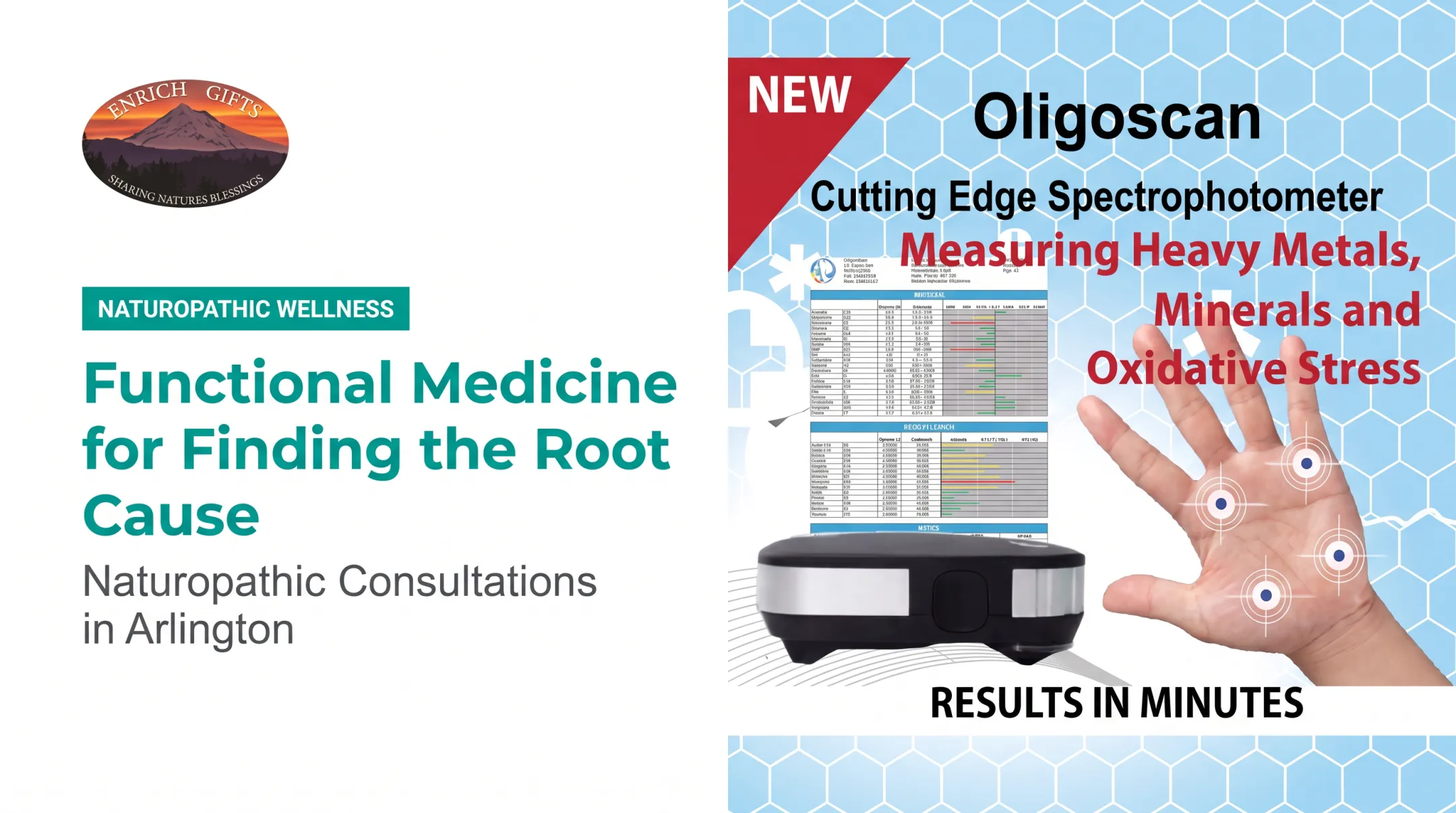
Some people also use complementary wellness guidance alongside medical care. At Enrich Gifts, naturopath Dr. Carolyn Johansen offers personalized consultations through home visits in Arlington, Texas, or by Zoom. She uses functional testing such as thermography, OligoScan, and cardiovascular and stress screening to explore patterns in the body. This guidance complements, but does not replace, medical diagnosis, psychiatric care, therapy, or emergency treatment.
How to Reduce Anxiety While You Investigate Its Causes
Calming your body won't identify the root cause by itself. It creates enough quiet to think clearly and keep tracking patterns.
Immediate Calming Practices
- Slow breathing: Inhale for four counts, exhale for six to eight, for two minutes. Paced breathing can ease anxious feelings in the moment.
- Grounding through the senses: Name five things you see, four you touch, three you hear, two you smell, one you taste.
- Progressive muscle relaxation: Tense and release each muscle group, working from your feet up.
- A brief change of environment: Step outside, open a window, or move to another room.
Distraction, gentle movement, and returning your attention to the present can interrupt the spiral before it escalates. If a technique increases distress, stop and try something else.
Stabilize Foundational Routines
- Keep consistent sleep and wake times
- Eat regular meals and stay hydrated
- Get moderate physical activity, and avoid workouts within three hours of bedtime
- Gradually review your caffeine, nicotine, alcohol, and other substance use
Movement itself matters, but so does where you do it. A Chiba University study found forest walkers had 16% lower cortisol, plus small drops in blood pressure and heart rate, compared with people walking through a city center. Make one change at a time and track whether it moves the needle, rather than overhauling everything at once.

Use Professional Treatment and Support
Evidence-based options include psychotherapy, medication evaluation, skills-based treatment, and coordinated care. The right mix depends on your symptoms and any diagnosis.
Some people also add naturopathic guidance, functional testing, and lifestyle support while they investigate root causes. Lean on trusted people, and reach out for qualified help once anxiety interferes with daily life, persists, drives avoidance, or feels unmanageable alone.
Tips for Long-Term Prevention and Control
Long-term control comes from habits you can sustain, not from a single breakthrough. These practices help you catch patterns early and adjust before anxiety escalates.
- Maintain a simple symptom-and-trigger log, and review it periodically with a healthcare or mental-health professional.
- Build sleep, movement, and nutrition routines that fit your actual schedule, not an idealized one.
- Keep an updated list of medications, supplements, substances, and health changes for appointments.
- Notice early warning signs and respond with a pre-planned coping step before anxiety escalates.
- Use professional and personal support consistently; benzodiazepines like Xanax and Ativan are short-term tools and need ongoing oversight to limit tolerance and dependency risks.
- Reassess your working explanation if symptoms change, fail to improve, or start affecting your safety, functioning, or relationships.
Conclusion
Anxiety rarely comes from one single source. Stress, learned patterns, daily habits, substances, medical conditions, and nervous-system sensitivity often overlap and reinforce each other.
Tracking your patterns and bringing that record to the right professional turns vague distress into useful information, without requiring you to diagnose yourself. Steady routines and timely care can reduce how much anxiety disrupts daily life.
If you want help connecting those patterns, work with a qualified practitioner who can review them with you. If you're ever in crisis or worried about your safety, call 911 or call or text 988 for immediate support.
Frequently Asked Questions
How do I get to the root cause of my anxiety?
Start tracking your symptoms: when they happen, what preceded them, and what you feared would happen next. Review physical and lifestyle contributors, reflect on longer-term patterns, and share what you find with a qualified healthcare or mental-health professional.
What are the symptoms of severe anxiety?
Severe anxiety can include intense or constant worry, panic attacks, trouble functioning day to day, major sleep disruption, and significant avoidance of normal activities. Seek professional or urgent help if physical symptoms feel dangerous or your safety feels at risk.
What are some common symptoms of anxiety that no one talks about?
Less-discussed symptoms include irritability, digestive changes, muscle tension, fatigue, feeling detached from yourself, trouble concentrating, and reassurance-seeking or avoidance behaviors. New or severe symptoms should always be medically evaluated.