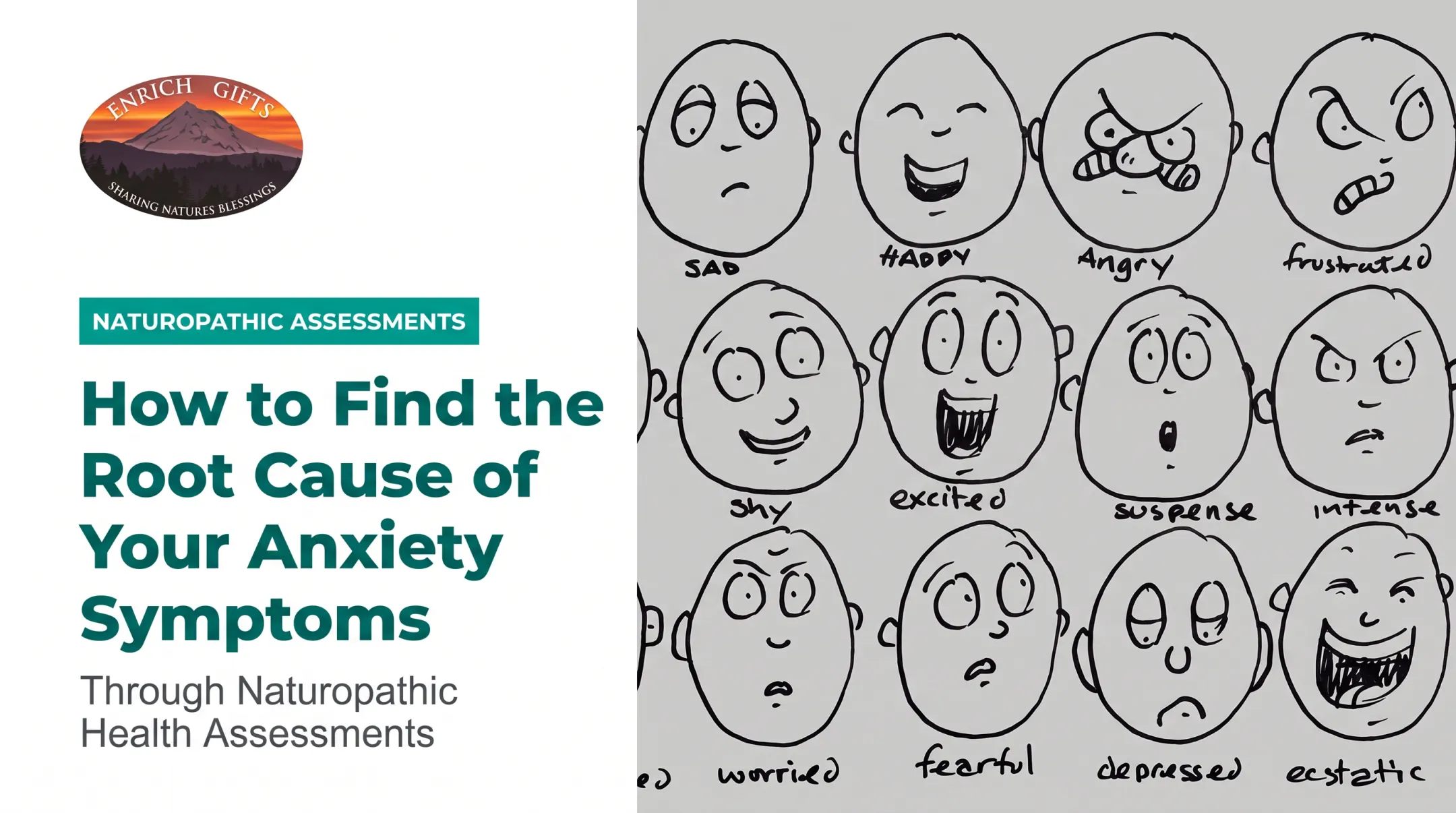
Understanding these contributing factors is a crucial first step toward recovery. It helps guide the right kind of evaluation and treatment, reduces the burden of self-blame, and clarifies the difference between temporary sadness and a clinical depressive disorder. This article will explore the biopsychosocial factors that can contribute to depression.
Please note: The information here is for educational purposes only and is not a substitute for care from a qualified medical or mental-health professional.
Key Takeaways
- Depression is typically multifactorial, involving predisposing vulnerabilities, triggering events, and factors that prolong symptoms.
- Genetics, brain chemistry, trauma, chronic illness, medications, sleep disruption, substance use, and social isolation can all play a role.
- There's no single test to identify a universal "root cause." A proper evaluation requires a detailed clinical conversation and, sometimes, a medical assessment.
- Prevention focuses on reducing risk and addressing early warning signs, not guaranteeing that depression will never occur.
- If you are having thoughts of suicide or self-harm, please seek immediate help. Call or text 988 in the US for crisis support, or call 911 if you are in immediate danger.
Common Causes of Depression
Clinical depression differs from ordinary sadness. Sadness comes and goes as a normal human emotion. Depression, or major depressive disorder (MDD), is a medical condition marked by persistent changes in mood, interest, thinking, and physical well-being that impair daily life.
To understand its origins, clinicians often use a three-part framework:
- Predisposing factors: These increase your vulnerability to depression (such as genetics).
- Precipitating factors: These are triggers that can set off a depressive episode (such as a major loss).
- Perpetuating factors: These are things that maintain or worsen symptoms (such as poor sleep).
Let's look at how these factors show up in different areas of life.
Biological and Genetic Vulnerabilities
For decades, many believed depression was simply a "chemical imbalance." The biology is far more complex. While you may have a biological predisposition, it doesn't determine your destiny.
- Genetics: Family history raises risk. A 2021 review put heritability of major depressive disorder at 30% to 50%—genetics matter, but there is no single "depression gene."
- Brain Circuits: Research finds group-level differences in circuits for reward, mood, and stress regulation. No brain scan can diagnose depression in an individual.
- Stress Response: Chronic stress can alter the HPA axis (the system that regulates cortisol). Those changes are linked to depression, but they are not a universal cause.

Life Experiences and Psychological Factors
Your history and how you process the world can shape your risk for depression. A triggering event for one person might be manageable for another, depending on their unique background, coping skills, and support system.
Key psychological contributors include:
- Childhood Trauma: Adverse childhood experiences (ACEs)—abuse, neglect, or household dysfunction—are strong risk factors. A CDC model estimated preventing ACEs could reduce adult depression by up to 44%.
- Grief and Loss: The death of a loved one, the end of a relationship, or the loss of a job can trigger a depressive episode.
- Chronic Stress: Ongoing financial strain, discrimination, or a high-pressure work environment can wear down your mental defenses over time.
- Thinking Patterns: A tendency toward perfectionism, low self-esteem, rumination (getting stuck on negative thoughts), or learned helplessness can create a fertile ground for depression.
Depression is an illness, not a character flaw or a sign of weakness.
Physical Health, Hormones, Medications, and Pain
Mind and body affect each other directly. Several medical issues can mimic depression or contribute to it.
- Chronic Illness: Thyroid disorders, diabetes, autoimmune disease, and neurological conditions are often linked with depression. A 2024 analysis found autoimmune disease carried a 1.85 times higher relative risk of depression.
- Hormonal Changes: Fluctuations during the menstrual cycle, pregnancy, the postpartum period, and menopause can all contribute to depression. The CDC reports that about 1 in 8 women with a recent live birth experience symptoms of postpartum depression.
- Chronic Pain: Living with persistent pain is emotionally and physically exhausting. In a large 2024 study, 32.6% of adults with chronic pain reported a lifetime history of depression.
- Medications: Some prescription drugs can have depressive side effects.

If you notice new symptoms after starting a medication or being diagnosed with a medical condition, talk to your doctor. Never stop taking a prescribed medication on your own.
Lifestyle and Environmental Maintaining Factors
Certain daily habits and environmental factors can create vicious cycles that maintain or worsen depression.
- Sleep Disruption: Insomnia and depression reinforce each other. A large meta-analysis found people with insomnia had more than double the risk of developing depression later.
- Social Isolation: Loneliness and a lack of meaningful connection raise depression risk.
- Substance Use: People may use alcohol or drugs to self-medicate depressive symptoms, but these substances often make depression more severe and difficult to treat in the long run.
- Nutrition: No single food causes or cures depression, but overall diet patterns matter. Observational studies link ultra-processed-heavy diets (and, in some cohorts, artificially sweetened drinks) with higher depression risk—association, not proof of cause.
What Happens If Depression Is Ignored
Untreated depression can have a cascading effect on your life, impacting relationships, work or school performance, and physical health. It's not something you can just "push through." Ignoring the signs can lead to a reinforcing cycle where symptoms become more entrenched and harder to manage.
For example, feeling low on energy leads to inactivity and social withdrawal. Isolation can fuel negative thoughts and hopelessness. This, in turn, disrupts sleep and appetite, further draining your energy and making it even harder to seek help. Breaking this cycle often starts with knowing when professional support is necessary.

An evaluation is critical when symptoms:
- Persist for more than a few weeks.
- Significantly impair your ability to function at home, work, or school.
- Keep coming back.
- May be related to a medical condition, medication, or substance use.
Warning Signs of Depression
Recognizing the early warning signs in yourself or a loved one is the first step toward getting help.
Common signs include:
Emotional and cognitive signs:
- Persistent sadness, anxiety, or a feeling of "emptiness."
- Loss of interest or pleasure in hobbies and activities (anhedonia).
- Feelings of hopelessness, pessimism, guilt, or worthlessness.
- Irritability, frustration, or restlessness.
- Difficulty concentrating, remembering, or making decisions.
Physical and behavioral signs:
- Significant changes in sleep (insomnia or oversleeping).
- Major changes in appetite or weight.
- Fatigue or lack of energy.
- Increasing isolation from friends and family.
- Worsening substance use.
A Note on Safety If you or someone you know is having thoughts of death, suicide, or self-harm, or you feel unable to stay safe, help is available 24/7.
- Call or text 988 to connect with the Suicide & Crisis Lifeline.
- If there is immediate physical danger, call 911 or go to the nearest emergency department.
How to Prevent or Reduce the Risk of Depression
While it may not be possible to prevent every depressive episode, you can take steps to reduce your risk, build resilience, and intervene early. Experiencing depression is never your fault, but empowering yourself with knowledge and support can make a real difference.
Seek Timely, Comprehensive Evaluation
If you recognize warning signs, don't wait. A thorough evaluation with a qualified clinician is the best way to understand what's going on. They will likely ask about your symptom history, family history, stress, trauma, physical health, medications, and substance use to get a complete picture.
Screening questionnaires can help identify concerns, but they don't replace a formal diagnosis from a professional.
Build Protective Routines Gradually
Small, consistent habits can create a foundation for better mental health. These are supportive practices, not substitutes for professional treatment.
- Consistent Sleep: Aim for regular sleep and wake times, even on weekends.
- Regular Movement: Gentle, regular activity can improve mood and reduce stress. Find something you can stick with, whether it's walking, stretching, or gardening.
- Nourishing Meals: Focus on a balanced diet rich in whole foods like fruits, vegetables, and fish. A 10-year study found that women eating a "Western" diet high in processed foods were 50% more likely to experience depression.
- Daylight Exposure: Getting outside in natural light, especially in the morning, can help regulate your sleep-wake cycle and mood.
Strengthen Connection and Coping Support
Don't go it alone. Connection and healthy coping skills are powerful buffers against depression.
- Maintain contact with trusted friends or family.
- Participate in activities that feel meaningful or supportive.
- Work with a therapist to address patterns of rumination, avoidance, or negative thinking.
- Develop a relapse-prevention plan that identifies your personal triggers, early warning signs, and specific steps to take when you feel symptoms returning.
Review Medications, Substances, and Physical Health
Work with your clinician to review all your medications and supplements. Get screened for underlying medical conditions that could be contributing to your symptoms. If you use alcohol or other substances, be honest about your use and seek support for reducing it if it's worsening your mood.
Complementary Whole-Person Wellness Support
Understanding the root causes of your symptoms is a key part of a whole-person approach to health. While medical and mental-health professionals are essential for diagnosis and primary treatment, complementary support can help you address underlying lifestyle and wellness factors.
At Enrich Gifts, Dr. Carolyn Johansen, a naturopath, specializes in helping people explore these contributors. Through home visits in Arlington, Texas, and virtual Zoom appointments, she provides individualized wellness guidance.
Using functional assessments and a deep understanding of how lifestyle impacts health, Dr. Johansen can help you design personalized strategies that support your overall well-being. This approach is designed to complement, not replace, the care you receive from your primary doctor or therapist for diagnosis, medication management, and crisis support.
Tips for Long-Term Prevention and Control
Managing depression is an ongoing process. These strategies can help you maintain your progress and address challenges before they become overwhelming.
- Monitor Your Patterns: Track shifts in your mood, sleep, energy, and functioning, since spotting patterns early helps your care team adjust your plan quickly.
- Keep a Written Care Plan: Document your treatment goals, appointments, medications, coping strategies, and crisis contacts. Update it after major life changes.
- Use Sustainable Standards: Recovery isn't about perfection, so aim for gradual, sustainable changes, and treat setbacks as signals to reassess your support, not as personal failures.
Conclusion
There is no single root cause of depression. It develops from overlapping biological, psychological, and environmental factors. That mix rules out a single cure for everyone, and it also means more than one path can lead to feeling better.
Recovery usually starts with clear next steps you can act on:
- Notice your personal patterns and triggers
- Get a comprehensive evaluation of what may be contributing
- Address physical health, daily routines, and support together
If you are struggling with thoughts of harming yourself, do not wait. Call or text 988 (Suicide & Crisis Lifeline) for free, confidential support in the U.S., or go to the nearest emergency room.
Frequently Asked Questions
How do I figure out what is causing my depression?
A clinical evaluation with a mental health or medical professional is the best approach. They review your symptoms, family history, life stressors, physical health, and medications to identify contributing factors. No single home test can determine the cause of depression.
How can I prevent a depressive episode?
Prevention lowers risk; it cannot guarantee an episode won't happen. Stick to treatment, keep regular sleep and activity, stay socially connected, watch your triggers, and get help at the first sign symptoms are returning.
Is there a connection between diet soda and depression?
Some large observational studies have found an association between high intake of artificially sweetened drinks and depression. However, this link does not prove that diet soda causes depression. Focus on an overall balanced eating pattern and discuss any dietary concerns with your clinician.
Can depression have more than one root cause?
Yes, this is almost always the case. Multiple factors, such as a genetic predisposition, a history of trauma, and a current stressful event, commonly interact to trigger a depressive episode. Chronic illness, sleep disruption, and medication side effects can also be part of the mix.
When should I seek professional help for depression?
Seek help when symptoms persist for more than two weeks, interfere with your daily life, or feel too difficult to manage on your own. Anyone with suicidal thoughts or immediate safety concerns should call or text 988 in the US, call 911 for imminent danger, or go to an emergency room.