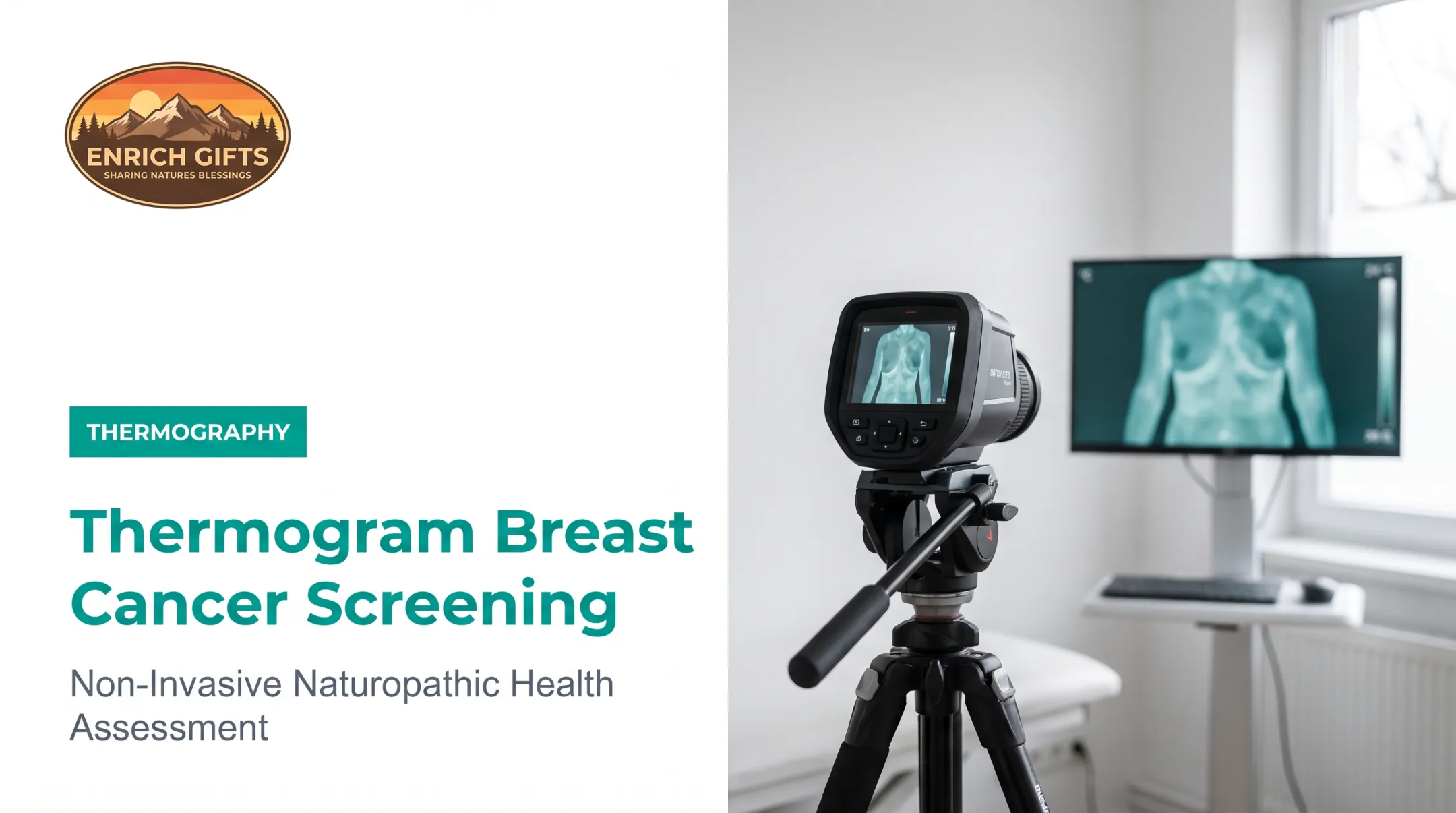
Thermography is contact-free infrared imaging that records skin-surface temperature patterns. It's not a diagnosis on its own — it's an adjunctive assessment, meaning it adds information alongside your history, a physical exam, and other appropriate testing.
This guide covers how the scan works, where it may add value, how to prepare, where its limits are, and what to ask before booking one.
Key Takeaways
- Thermography maps relative skin-surface heat using an infrared camera — no needles, compression, or radiation involved.
- Thermal images show physiologic patterns, not organs, tumors, or internal anatomy, and need clinical context to interpret.
- Thermography should never replace mammography, diagnostic imaging, or urgent medical evaluation.
- Before booking, check the provider's interpretation process, preparation rules, reporting detail, and total cost.
What Full Body Thermography Is and How It Works
Most imaging you're familiar with ( X-ray, ultrasound, CT, MRI ) shows structure. They capture anatomy: bones, organs, masses. Thermography works differently. It captures function, specifically the infrared heat your skin emits, which reflects blood flow and physiological activity happening underneath it.
The Scanning Process
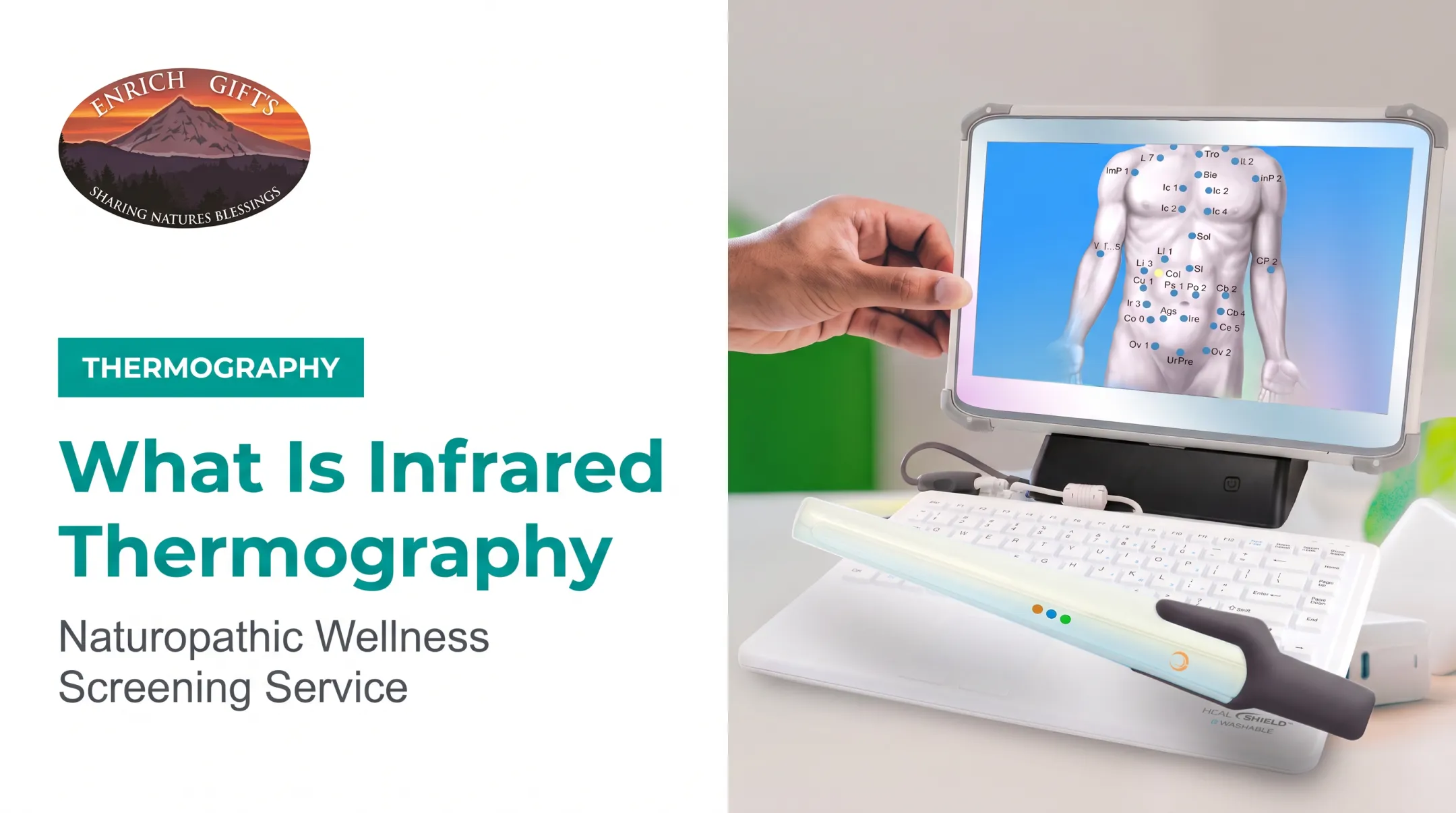
A specialized infrared camera captures images of the body from a short distance. Software then renders those images as color-coded maps showing relative temperature variation across different regions.
Providers using systems like the AlfaSight 9000 complete a full-body scan in roughly 30 minutes. That platform draws on more than 25 years of clinical data and over 50,000 patient studies.
Why Hot and Cool Spots Appear
Asymmetry between the left and right side of the body, or an unusually warm or cool patch, often stands out first. Temperature differences can stem from many causes:
- Normal individual variation
- Recent physical activity or environmental exposure
- Inflammation or active tissue repair
- Circulation changes
- Skin conditions
- Nerve-related dysfunction
None of these can be distinguished from a thermal pattern alone . That is why the image needs a trained eye and clinical context around it.
Why Standardized Conditions Matter
Because pattern reading depends on context, results only mean something if the test is run consistently. The American Academy of Thermology's (AAT) 2024 neuromusculoskeletal guideline specifies a controlled room between 19–25°C, roughly 15–20 minutes of patient acclimation, and temperature stability within 1°C throughout the exam (AAT, 2024).

These are protocol-specific requirements, not universal rules for every commercial scan. They still show how sensitive the measurement is to environment.
Serial scans repeated over months or a year can help track trends, but only when the same body regions, preparation steps, equipment, and interpretation standards are used each time. Change any of those variables and you're no longer comparing apples to apples.
Potential Uses and Benefits of Full Body Thermography
Thermography's value lies in its breadth rather than in naming a specific disease. It shows how the body is currently functioning, not a verdict on what is wrong.
Where It May Add Information
Documented areas of interest span several systems:
- Musculoskeletal and inflammatory patterns — joint swelling, painful conditions, and compensation patterns
- Circulatory concerns — peripheral blood flow changes, including diabetic-foot monitoring
- Nerve-related changes — sympathetic nervous system activity and small-fiber neuropathy indicators
- Broader functional insight — breast health, metabolic and endocrine patterns, cardiovascular function, posture, pulmonary function, and dental or jaw stress
A 2025 clinical review notes thermal-pattern assessment is used in arthritis, joint swelling, and painful musculoskeletal conditions, though diagnostic performance against joint ultrasound remains incompletely standardized (PMC, 2025).
Practical, Not Clinical, Benefits
The appeal for many people is simply the experience itself. The scan is:
- Contact-free, with no compression or injections
- Free of ionizing radiation
- Requires no recovery period
That said, "non-invasive" doesn't mean "clinically sufficient." A comfortable test and a conclusive test are two different things.
Organizing Your Next Doctor's Visit
A full-body view can help you flag areas that deserve clinical follow-up, especially if you're already dealing with symptoms or tracking changes during a wellness plan.
At Better You Health in Arlington, Texas, Dr. Carolyn Johansen personally reviews each thermogram with the client and explains what the patterns may indicate and what to do next. That context is something a raw image alone can't provide.
Baseline and follow-up images can help monitor trends over time, but a color or temperature shift between scans doesn't automatically mean something improved, worsened, or that a treatment worked. It's a data point, not a conclusion.
What to Expect During a Scan and How to Prepare
A typical appointment follows four steps:
- Health-history discussion
- Acclimation in a temperature-controlled room
- Images captured from multiple angles
- Review of the findings
Preparation Checklist
Confirm these with your provider before your appointment:
- Avoid strenuous exercise before the scan, and confirm your provider’s threshold. A 2026 skin-temperature study found short, low-intensity walks had little effect.
- Skip massage, chiropractic treatment, or physical therapy for 24 hours beforehand.
- Avoid heat exposure — saunas, hot showers, or sun exposure — for at least 2 hours.
- Hold off on nicotine or caffeine for roughly 4 hours.
- Go bare-skinned where needed — no lotions, sunscreen, deodorant, makeup, or topical analgesics on the day of imaging.
Disclose These Factors
Tell your provider about anything that might shift your results:
- Current medications
- Recent procedures or injuries
- Fever or active infection
- Menstrual cycle timing or pregnancy
After the Scan
Most people resume normal activities immediately. If something unusual shows up, expect a recommendation for further examination or additional imaging — not a diagnosis handed down from the thermogram itself.
Accuracy, Limitations, and Comparison With Other Imaging
"Accuracy" isn't a single number you can quote for thermography. It depends on several factors:
- The clinical question being asked
- Body area examined and image quality
- Environmental controls and interpreter experience
- The reference test used for comparison
False Positives and False Negatives Happen
A thermal pattern can have a completely benign explanation. On the flip side, a normal-looking scan can't rule out disease or justify skipping recommended care.
A 2024 meta-analysis of 22 breast-thermography studies reported pooled sensitivity of 88.67% and specificity of 71.77%. It also flagged substantial variation between studies (heterogeneity of 79.3% for sensitivity and 99.1% for specificity).

Those numbers came from specific breast-imaging research populations. They don't transfer to an unselected, full-body wellness scan.
Thermography Is Not a Mammogram Replacement
This distinction matters enough to state plainly: mammography evaluates structural abnormalities in breast tissue; thermography records surface temperature patterns. They measure different things entirely.
The FDA's consumer update is direct on this point: thermography has not been shown effective as a stand-alone test for early breast-cancer detection, and it's cleared only for adjunctive use alongside, not instead of, mammography.
The agency also states there's no evidence supporting claims that thermography finds cancer years earlier than other methods (FDA, 2023).
Do Tumors Show Up on a Scan?
Some conditions, including certain tumors, may produce associated temperature changes. But a scan cannot confirm a tumor, determine whether it's malignant, or replace diagnostic imaging and biopsy when those are indicated.
Why Doctors Use Different Tools for Different Questions
Different clinical questions call for different validated methods. Evidence quality, standardization, and regulatory status all vary by application. That is part of why thermography isn't used as a frontline test for most named conditions.
Thermography also lacks a uniform standard for training practitioners or calibrating equipment across providers. Ask about a provider's certification before you book.
Cost, Provider Selection, and Follow-Up
Full body thermography pricing varies. What you pay usually depends on:
- Body areas included in the scan
- Equipment used
- How detailed the interpretation and report are
- Whether follow-up imaging or wellness guidance is bundled
Always request a complete price before scheduling. Don't assume the quoted number is final.
A Provider-Vetting Checklist
Before booking, ask:
- Who performs the scan, and who interprets it?
- What training or certification does the interpreter hold?
- How is the scanning room controlled for temperature and drafts?
- What does the final report actually include?
- How are findings communicated, and what's the recommended follow-up path?
Look for interpreter certification through an organization like the International Academy of Clinical Thermography, an independent nonprofit that offers third-party credentialing.
Insurance Isn't Guaranteed
Coverage and medical-necessity rules vary by insurer. The Centers for Medicare & Medicaid Services' National Coverage Determination 220.11, in effect since 1992, excludes thermography for any indication under Medicare. CMS cites insufficient evidence of usefulness in diagnosis or treatment (CMS).

Confirm payment and reimbursement details directly with your provider and your insurer. Don't assume coverage either way.
Where This Fits Into a Broader Wellness Plan
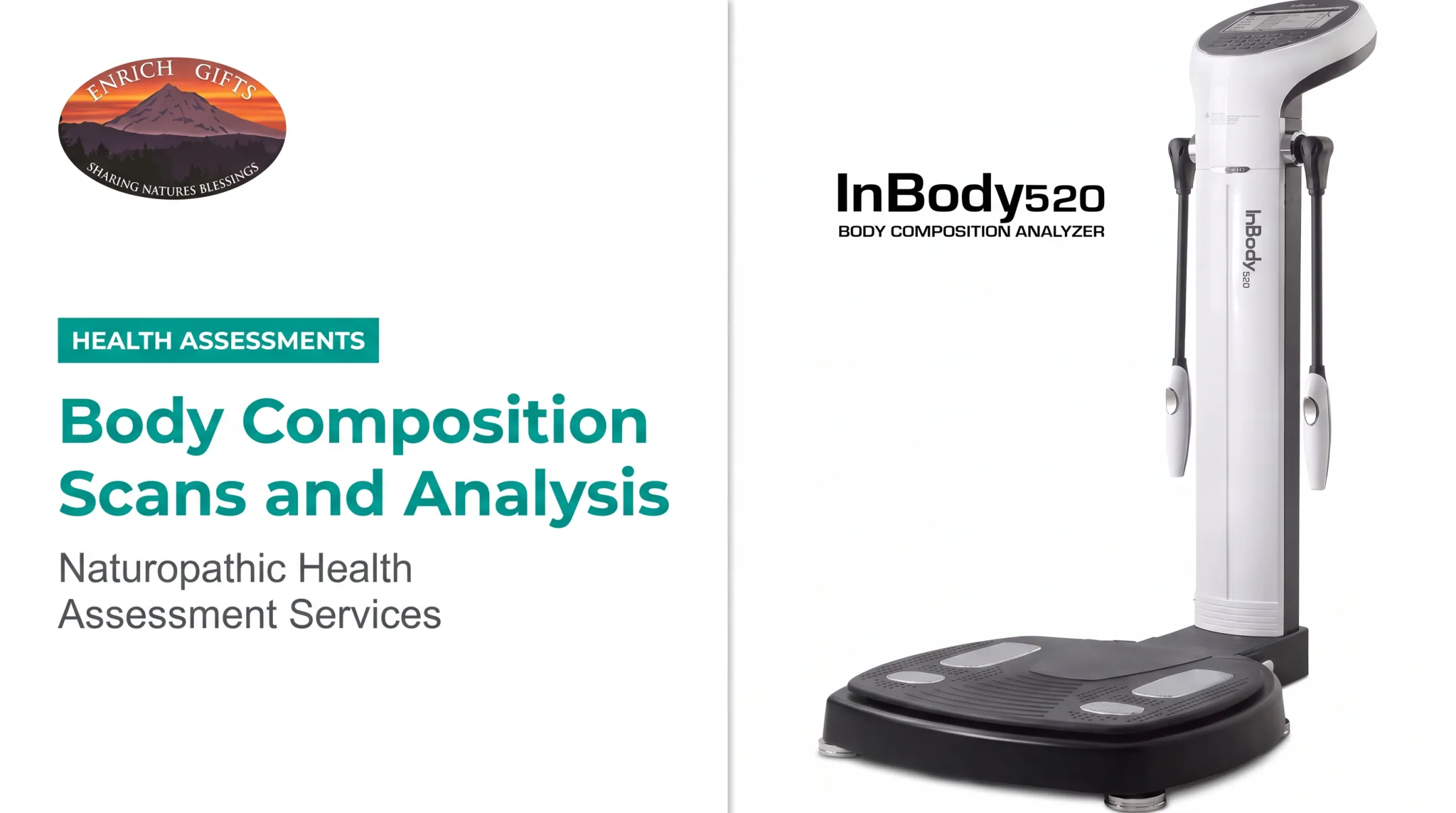
At Enrich Gifts in Arlington, Texas, naturopathic doctor Dr. Carolyn Johansen offers thermography as one piece of a broader functional-testing approach. That work also draws on tools like OligoScan, cardiovascular and stress screening (CSS), and InBody analysis.
The full annual testing package (thermogram, OligoScan, CSS, and InBody) takes about two hours, including results review. Dr. Carolyn personally walks clients through what the findings may mean.
If you're curious how thermography might fit into your own wellness picture, ask a practitioner how it complements, rather than replaces, the care you already receive.
The practical decision rule: treat thermography as one adjunctive source of information. Keep up with recommended medical screenings, and seek prompt clinical attention for any concerning or worsening symptoms regardless of what a scan shows.
Frequently Asked Questions
How much does a thermography scan cost?
Prices vary by provider, body coverage, interpretation depth, and consultation time. Always request a complete current quote and verify insurance or self-pay terms before scheduling.
Are thermography scans accurate?
Accuracy depends on the clinical question, scan quality, preparation, and interpreter experience. Thermography cannot independently diagnose or rule out disease on its own.
What does a thermography scan detect?
Thermography detects relative skin-surface temperature patterns and asymmetries that may need clinical context. It is not a direct image of internal anatomy or a definitive diagnosis.
Do tumors show up on thermography?
Some tumors or other conditions may be associated with temperature changes, but a scan cannot confirm a tumor or replace diagnostic imaging, examination, or biopsy.
Is thermography better than a mammogram?
No. The two tests measure different things. Thermography should not replace mammography for breast cancer screening; talk with a qualified healthcare professional about your individual screening needs.
Is full body thermography worth it?
That depends on your goals, budget, and willingness to treat it strictly as an adjunct. It can support a broader wellness plan, but never as a reason to delay medically recommended screening or evaluation.